Billy wallson
Senior DirectorWhat if the best present you gave this year wasn't wrapped at all — but was simply your time, your attention, and your unhurried presence?
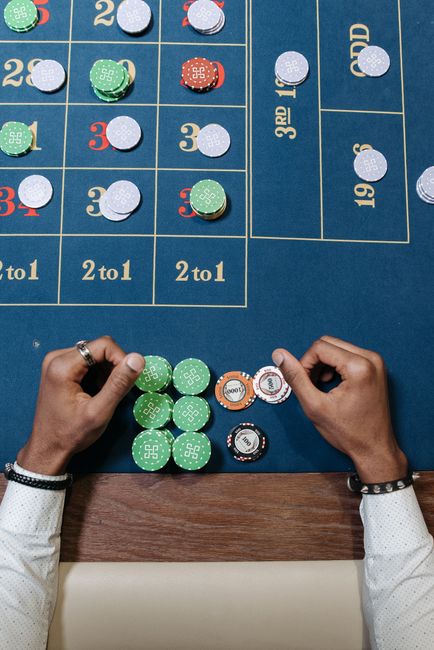
Two players sit down at the same online slot, both load €100, both spin the same number of times. One walks away with €340, the other with €12. Neither did anything wrong. The machine did not "heat up" or "go cold" in any mystical sense, and the algorithm was not targeting anyone. What separated them was volatility — the single most misunderstood number in iGaming, and the one that decides whether your bankroll lasts six minutes or six hours.
Most guides gloss over this. They tell you the RTP is 96% and leave it there, as if a single percentage told you anything about the ride. It doesn't. RTP is the long-run average. Volatility is the shape of the road getting there. If you only ever learn one thing about slots, make it this.
Volatility — sometimes called variance — describes how widely a slot's payouts swing around its average. A low-volatility slot pays small amounts often. A high-volatility slot pays rarely, but those rare hits can be enormous.
Here's a concrete comparison. Suppose two slots both return 96% over ten million spins:
Same RTP. Completely different experiences. This is why two players can feed identical amounts into the same machine and end up in opposite places — they were not playing the same game psychologically, even if the math is fixed.
Regulated casinos publish two figures you should check before depositing a cent into a slot: the RTP and the max win. A third, volatility, is often shown directly or expressed through the max win value.
A rough rule verified across thousands of titles:
Titles like Book of Dead (10,000x max, high variance) sit differently from a classic three-reel fruit slot with a 500x ceiling. Knowing which you're playing changes everything about how you should size your bets. Anyone weighing up options should see สล็อต.
Here's where most players lose before the first spin. The standard advice — never bet more than 1% of your bankroll per spin — is decent, but it ignores volatility entirely.
A better approach:
If you bring €100 to a 25,000x slot and bet €1, you'll likely bust in under two minutes during a normal downswing. Bet €0.20 instead and you survive long enough for the variance to actually work in your favor. This is not caution — it's arithmetic.
Yes, and the concept translates more directly than people realize.
In poker, a tournament player faces extreme variance: you can play perfectly for hours and lose to a two-outer on the river. Cash game players, by contrast, face lower variance because stacks recycle. The winning strategy is the same as slots: match your playing style and buy-in level to your tolerance for swings. A €10,000 bankroll grinding €1/€2 cash games is a different beast entirely from the same bankroll firing €500 tournaments.
In sports betting, single-game moneylines on heavy favorites are low-variance (small, frequent wins). Multi-leg parlays carrying 20x payouts are extreme volatility. The odds are honest — the house edge is embedded either way — but the shape of the outcomes differs wildly. If you hate losing streaks, parlay-only betting will destroy you mentally even with solid picks.
Chasing RTP alone. A 96.5% high-volatility slot and a 96.5% low-volatility slot have identical expected returns but zero overlap in session feel. Picking the wrong one for your bankroll is the mistake, not the slot. Switching volatility mid-session. When you're down 60%, the temptation is to jump from a gentle slot to a 50,000x monster to "win it back fast." This is the single most reliable way to lose everything. The math has not changed; your bankroll has shrunk. Smaller bankroll demands lower volatility, not higher. Ignoring max bet caps. Some bonus modes require the max bet to trigger. Read the paytable — losing a jackpot because you were €0.50 under the threshold is avoidable pain.
Stop picking slots by theme. Dragons, fruit, ancient Egypt — the artwork is a sales tool. What matters:
If you like steady engagement and want a session to last, low volatility wins every time. If you're willing to lose 200 spins for the shot at a life-changing multiplier, go high — but with the right stake, and with money you've already accepted is gone.
Every casino game carries a house edge. No volatility setting, bet-sizing trick, or pattern-spotting system changes that — and anyone telling you otherwise is selling something. What you can control is the variance profile you expose yourself to. Two players with the same €100 and the same slot end in different places not because the game cheated them, but because one understood the shape of the road and the other drove straight off a cliff. Pick your volatility the way you'd pick hiking shoes: match it to the terrain and the trip you actually want, not to the photo on the box.
A quiet poem about the ingredients of a perfect snowy Christmas Eve, measured in memory rather than cups.

Whether you're writing a Christmas romance or a quiet family drama, these prompts will get your pen moving and your heart open.
A guide to thoughtful, budget-friendly Christmas gifts that carry real meaning—from handwritten coupons to a jar of your grandmother's spice mix.

A tired baker and a stranger with no place to go share a Christmas Eve shift that neither of them will forget.

What if the best present you gave this year wasn't wrapped at all — but was simply your time, your attention, and your unhurried presence?

A quiet poem about the ingredients of a perfect snowy Christmas Eve, measured in memory rather than cups.

Copyright © 2026 Mistletoe Muse. All Rights Reserved.




Roseanne Williams
Sep 14, 2026 ReplyA woman returns to her snowbound hometown and finds the boy she loved at seventeen waiting on the same bridge, holding a paper star.